And It’s Done!
- March 19, 2018
- Blog
- 2 Comments

I finally finished my short story for the anthology Elements: Tales From The Substratum, and it’s now being reviewed by my editors. And what does one do in the meantime?
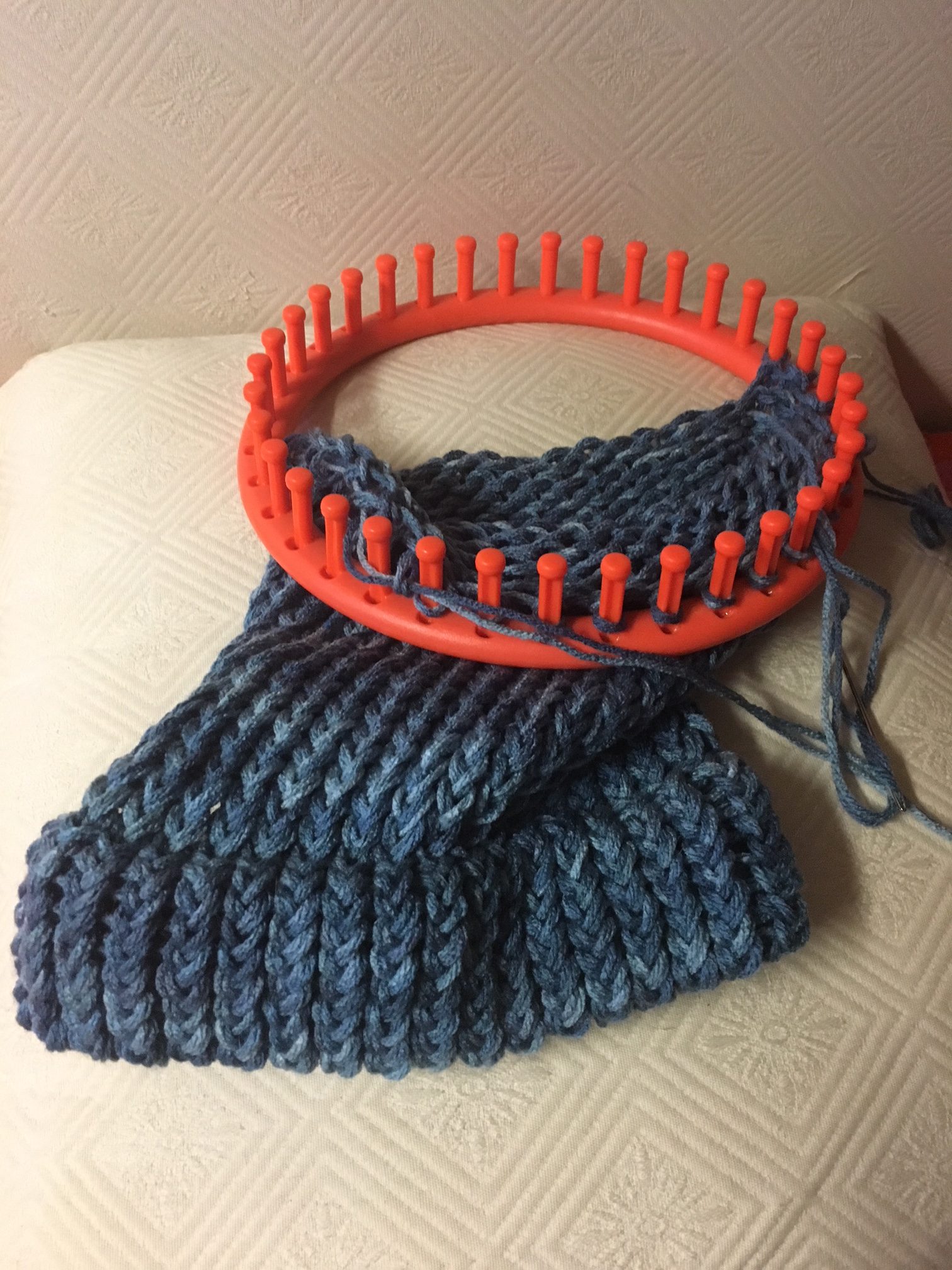

I finally finished my short story for the anthology Elements: Tales From The Substratum, and it’s now being reviewed by my editors. And what does one do in the meantime?
 *
*
So far, my views have remained the same:
*Image courtesy of scottchan at FreeDigitalPhotos.net
In preparation, I’m reposting a couple of blog entries to get us all in the mood.
A Writer Battles the Paper Monster
 *Image courtesy of vectorolie at FreeDigitalPhotos.net

A couple of weeks ago I read Victoria Griffin’s blog “12 Bookmarks You Need In Your Life” and it made me think about the bookmarks I consider essential. (By the way, if you’re a writer and not reading her blog, check it out, it’s pretty cool.)
My number one bookmark is the one above. I can’t tell you how happy I was to find it because I’m not a coffee drinker and this one was meant for me.

This one is fairly new and speaks for itself. One morning I sat slumped in the kitchen chair and when my mom walked in, I said, “I don’t think I can go to school today.” She looked at me and asked, a little alarmed, “Are you sick?” Alarm turned to annoyance when I confessed I was reading all night and within the hour I was out the door and on the way to the bus stop.
I have a few others but these are the two bookmarks on my radar right now.
Then there are magnets. I don’t like magnets that look like cookies or pieces of chocolate because they just make me reach for the real thing. But I love quotes and art, so here are a few of mine:
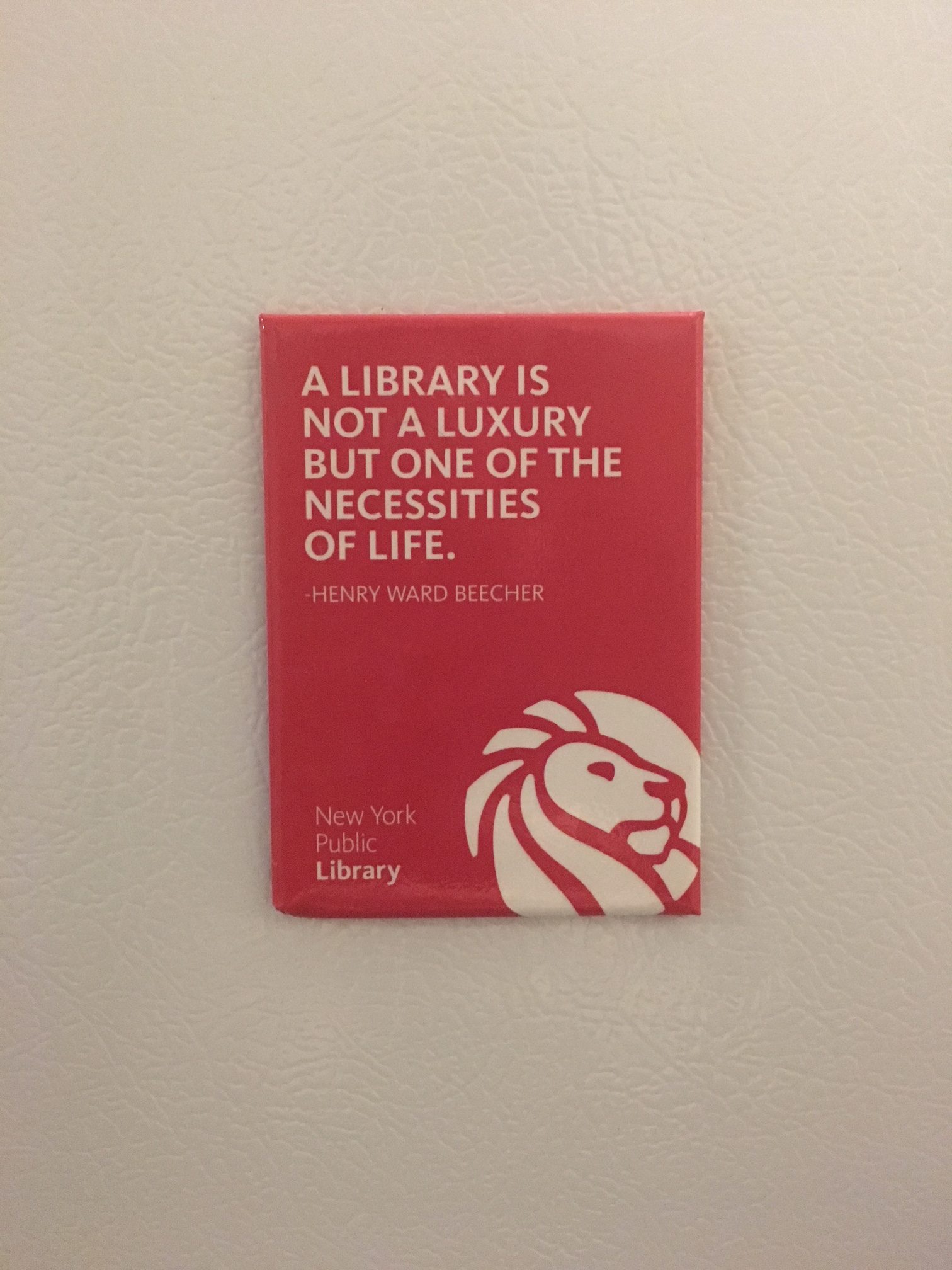
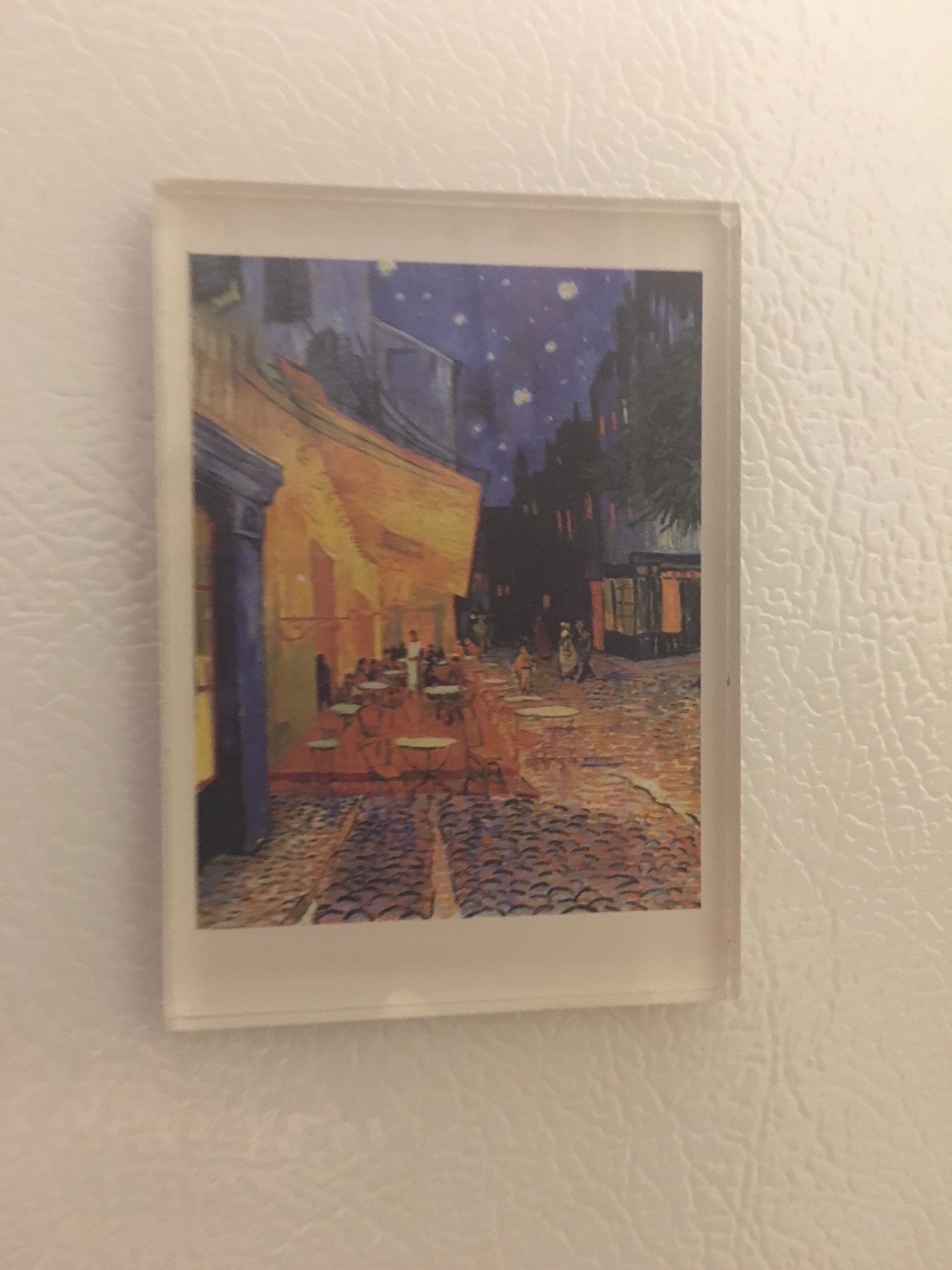

What are your favorites? Bookmarks? Magnets? Want to share?
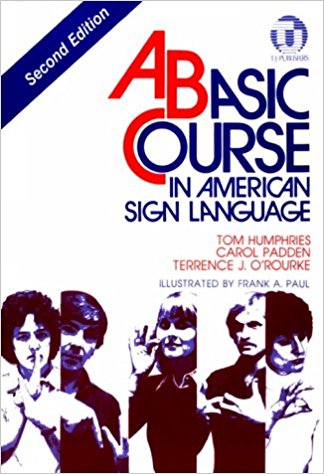
In a prior blog I wrote how hard it is to describe the genre urban fantasy. Now I need to explain it in a different language. (Talk about ambitious. Heh.)
Learning ASL (American Sign Language) is not the same as learning English. The grammar of each is completely different from the other’s.
But signs are only half the language. Imagine talking in a monotone and saying “I’m happy.” No one would know how you meant it.
In ASL, facial expressions are the equivalent to tone of voice in English. It makes a difference if your eyebrows are drawn together or your mouth is puckered. Each nuance changes the meaning.
When my ASL teacher told us to make a video on any topic we wanted for fun, I wasn’t thrilled. I’m not comfortable in front of the camera (although I’m getting better at it). My teacher’s idea of “fun” vastly differs from mine. Then an evil thought crossed my mind.
My teacher doesn’t like reading books in my genre.
So I’m going to make a video in ASL, talking about my book Magical Ties. (Cue cackling laughter in the background.)
Considering my sparse vocabulary, talking about a book that includes demons, murder, and relationships is going to be a challenge.
But it’s good practice, a unique way of thinking about my story and how to make it appeal to someone who might be open to trying something outside their usual preference. (For the record, I don’t expect to change my teacher’s mind. We like what we like and that’s it. But it’s the closest I can have to “fun” in this situation.)
One final note: I’m not going to post the video. It’s going to be an amateur effort in a beginner’s class and there’s a steep learning curve. Maybe another video some day!

It’s Olympics week. You’re watching from the couch and agreeing or disagreeing with the commentators before heading back to work.
You sit down at your desk. Pencil, pen, or laptop? It doesn’t matter. You flex your fingers and prose effortlessly flows onto the page. You knock out a few chapters in uninterrupted silence.
Okay, you can stop laughing. Obviously that’s a fantasy. But how many times do people see the final product and think how easy it is?
How easy is it to do a triple salchow on the ice with millions of eyes on you?
I admire the athletes for their determination and practice. It’s the practice and training that help them rise above the pack. I’m sure there are plenty of days when they’d like to stay home and watch TV with slices of cake. And if they wanted to, they could. But they don’t. They have their eye on a different goal and they work hard to make it happen.
Do you? Are you working on improving your writing every chance you get? It’s easy to get published these days as an indie author. More than once I’ve browsed through a story that had such potential but failed. Sometimes it failed for ridiculously simple reasons—bad spelling, punctuation, or grammar. Those were mechanical errors that should have been fixed, either by the author or by someone they paid. That’s nuts-and-bolts errors, the technical factors that the judges count when the ice skaters touch the ice with their hand when they lose their balance.
Then there’s the artistry of writing. The voice that calls out to readers and pulls them in. It’s a story that’s compelling, with strong characters who make you feel involved and invested in what happens.
I hate to tell you this but while there are many wonderful and glorious times when the words do flow and I’m lost in creation, there are many more times of slogging through the mud.
I’ve trained. I’ve sweated over wording and learned from teachers who kindly explained why using diamonds and stars in the same sentence to describe water wouldn’t work. And I’m still learning. Still training. If I want to be the best writer I can be, this is what it takes. Anything less is fooling myself, like thinking I can do a double axel on the ice while watching TV.
So let’s get to it. Practice starts tomorrow. Don’t be late.

Here’s the entrance to the Winter Carnival. I arrived with a couple of friends. (Thankfully, one of them had a recharger since my phone decided to croak after I took this picture.)

There was already a big crowd around the rink watching the professional ice skaters.

I was happy to see the fountain running and not frozen.

After the performances, the rink opened to the public. My friends and I stayed warm in the bar and watched through the large windows.
And that’s how I like my Winter Carnival—toasty warm, sipping hot chocolate and hanging with friends.
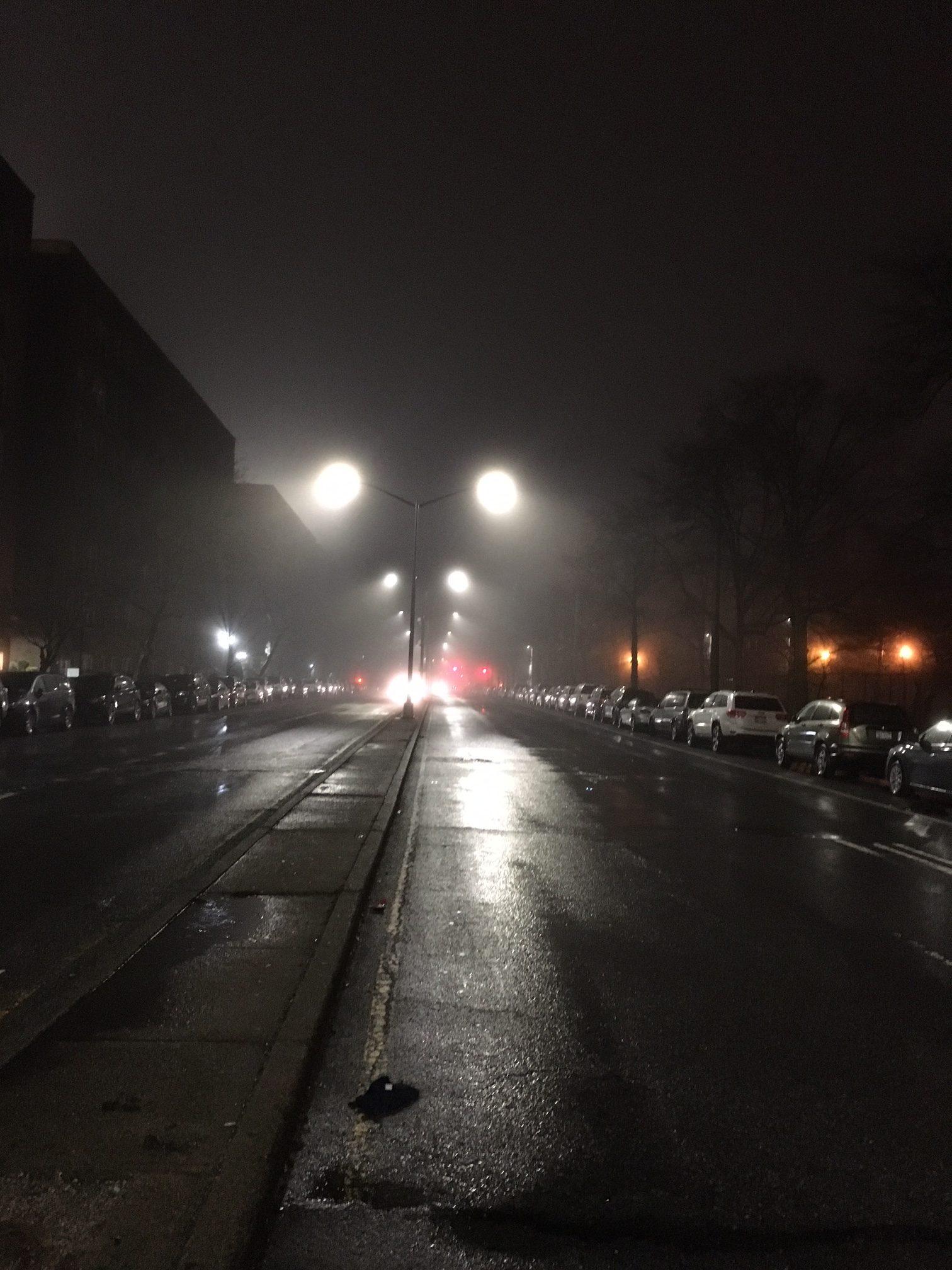
One year ago I wrote “5 Steps to Deal with the Winter Blues.” The ideas work, but over the year it was sometimes difficult to do the things that would make me feel better. I thought about getting a SAD (Seasonal Affective Disorder) lamp but didn’t know where to start.
Sometimes it’s as easy as a search online. I started reading Winter Blues, Fourth Edition: Everything You Need to Know to Beat Seasonal Affective Disorder, by Norman E. Rosenthal. It gave me information that helped me purchase a SAD lamp.
The current thinking is to use the lamp for periods of 15 minutes or so (up to one hour). I turn mine on in the morning and read while eating breakfast. Fifteen minutes later my timer dings and I turn off the lamp. It’s that easy.
But does it work? For me, I’d say yes. It’s not that I’m suddenly euphoric, it’s that I’m able to continue throughout my day with better feelings. Is it a placebo? Frankly, I don’t care. Whatever works to get me through the dark and cold and keeps the negativity from bleeding into my thoughts and sapping my will (without compromising my health!) is fine with me.
In case anyone is wondering, this is the model I bought:
Verilux HappyLight Liberty 10,000 LUX Light Therapy Energy Lamp

Copyright © 2026 J.M. Levinton. Theme customization by il.lustr.us Media