3 Truths About Creating a Book Cover

ID-10036046

You’ve finished your book. Your baby, your darling, is ready to be dressed for the outdoors. You need the right cover, one that will draw strangers near to admire and read. There really are people who judge a book by its cover, and if this is your first novel (as this one is mine), you need something to draw people closer.

Right now I’m in the middle of working with a talented cover designer who is displaying great patience with me as I muddle through. This is what I’ve learned so far:

1. Your cover designer is not a mind reader. 

If you give him fuzzy ideas, you’re going to get a fuzzy cover. I had vague ideas about it but didn’t bother to solidify them in my head. When my cover designer pressed me for details, I had to firm up those ideas in a hurry when what I really wanted to do was say, “I don’t know. Can’t you, you know, just do something?”

If you decide to go that route, don’t blame the cover designer for “doing something” completely alien to how you feel about it.

2. Don’t expect him to read the manuscript.

Chances are, he’s got other covers to create or another job or two. He doesn’t have time to read 350+ pages so he can “capture your vision.” He might even be a friend or relative. The rule still applies.

I wrote a synopsis of the plot with descriptions of the main characters, and added a three-page excerpt of a scene so he could gauge the tone I was striving for. Even so, I assumed he’d understand certain things and that’s where we fell off track. To repeat truth no. 1, your cover designer is not a mind reader.

3. Think about your cover before hiring someone.

The story was done. Therefore, I was ready to hire someone to create the cover, right? Wrong. My vague, hazy ideas floated in cloud shape with no definition but I was sure the cover designer would figure out what I meant. (Yeah, see truth no. 1—again.)

There are two things you can do that can help you figure out what you want on a cover:

  1. Look at other covers. Does your genre prefer to show landscapes? People? Airplanes? Are they abstract in design or do they show inanimate objects? A mystery cover showing a bloodied dagger next to a shoe and a tube of lipstick might work where the same cover would not work for a fantasy novel even if all those elements are in the story. Learn what people expect to see. That’s the framework for starters.
  2. Then it’s time to get specific. What is your story about? Who is your audience? How do you want them to feel when they look at your cover? A lurid picture of mangled body parts might not attract someone who wants to read a mystery where the murder takes place offstage.

The first background for my cover was too cheerful. I asked for a darker shade and it struck the right chord. Then I suggested a different style (after asking for advice from a friend who read the story) and it added the right depth. It’s a good start.

The reason the first color and design were wrong for my story was, well, see truth no. 1. I wanted to throw it at him and say, “Whatever you think works.” That way lies great unhappiness. I needed to have the vision before contacting a cover designer.

So there you have it. My cover is only about halfway done and that’s my fault. But it’s getting there.


* Image courtesy of scottchan at FreeDigitalPhotos.net
 

My Freedom to Write

ID-10060800

*


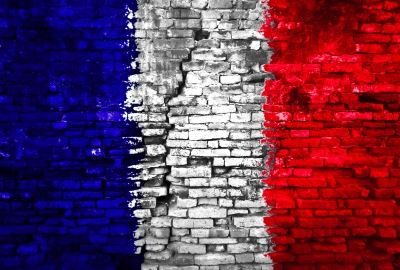
I wondered if I should write about this. I’m sure most people have heard about the tragedy in France that claimed the lives of twelve people who shined a light through their pens and determination.

I am a writer. My writing is in the field of urban fantasy. But the right to put pen to paper or type on my keyboard, the freedom to choose my topic and put it on the page and get it out there for people to read is a right that must always be appreciated and upheld.

According to the United Nations, in The Universal Declaration of Human Rights:

Article 19.

  • Everyone has the right to freedom of opinion and expression; this right includes freedom to hold opinions without interference and to seek, receive and impart information and ideas through any media and regardless of frontiers.

What if I disagree with what I’ve read? What if it disgusts me or insults my religion, my politics, my way of life? Well, I’m free to close the pages, Tweet my opinion or peacefully protest if I desire.

But the events that unfolded in France created (or perhaps reminded me of) an obligation to those of us who write: To write our truths, our loves, our hates. To be honest in our point of view. And to publish those truths.

I mourn for the lives lost in a senseless attack to stop words and pictures from being published. One might as well try to stop the sun.

And so, in honor of the brave ones who made their line in the sand and stood strong, I will continue to write. As should we all.

Je suis Charlie.


Signed,

J. M. Levinton

World Trade Center survivor

Ground Zero volunteer


* Image courtesy of criminalatt at FreeDigitalPhotos.net


My Writing Resolution for 2015—Not

ID-100215100

*


I used to make new year resolutions and, like most people, utterly failed to keep them (at least, I’ve never heard of anyone who did). I have my suspicions as to why.

1. It’s too long a time frame.

It’s a whole freaking year. That’s huge. So we look at the big picture and get overwhelmed and in the end say, “Forget it.” Good thing no one will remember what we said we’d do. Or if they do, they won’t say anything in case we bring up their failed resolution.

And then, the same problem with a different reason:

2. It’s too long a time frame.

This one’s for procrastinators. When we say, “Oh, that’s plenty of time,” and let the time move along with nothing done. Until half a year’s gone by, and then three-quarters and then—oops. Well, I’ll do better next year. There’s always next year.

Here’s my solution. A book is a large piece of writing. And with the added stress of a deadline (self imposed or not), it’s easier to sit and do nothing. Or pretend there’s plenty of time. Or decide that next year is better.

When I was in college, I used to freeze at the idea of writing a ten-page paper. Ten pages! Days would go by and nothing would get written. Finally, I sought help. My counselor asked me the question I’m going to ask you:

Can you write one page?

Yes, of course I could write one page, that was easy. “So write it and get back to me,” she smiled.

I wrote the page and went back to her. She asked, “Can you write one page?”

I caught on. Breaking the paper down into manageable parts, ignoring the size of it, made it possible to complete.

So. Can you write one page? One paragraph? One sentence?

If yes, then you’re on your way. Keep those small amounts in front of you and forget the whole.

And while I have the solution, it doesn’t mean I don’t need reminding. So I’m going to tape a sign in front of me:


Can you write one paragraph?


It’ll get me there.


* Image courtesy of Stuart Miles at FreeDigitalPhotos.net


And the Score is… (Part 3)

ID-10097423

*


I didn’t know there would be a part three to this. (Part 1 and Part 2 are here.) I gamed too much, pinpointed the reasons why, and that should have been enough, right?

Wrong.

It’s a good start. I was playing too many games to avoid dealing with the next book. Fear that I might not have anything else to write. So, fear creates avoidance, which equals lots of games.

Problem solved.

Not.

Identifying the problem was good. But if there’s no change in behavior, it’s useless. I know the holidays were this past week so I cut myself some slack. There were family and friends to see and celebrate with and too much cake to eat. Okay then.

Starting today, I’m writing. I’m writing because despite the fear stretching a hand out to stop me, it feels good. How did I forget that? I don’t know, but I do know the only way to keep it going is to write. I’ll write scenes that will work, scenes that won’t, scenes that will force my characters (or me) to make changes that were unforeseen. Or not.

But I’ll be writing. Hope you’ll join me.


* Image courtesy of Stuart Miles at FreeDigitalPhotos.net

And the Score Is… (Part 2)

ID-100207914

*


Well, I said I’d chart my gaming hours. (See Part 1 here.)

Day One: I set an old-fashioned annoying tick-tock timer to keep track. Darned thing works for an hour at a time and if I decide to play a little past that I can keep a general sense of how much time I’m playing, right?

When I finally looked up at the clock, I discovered I played *mumbles* hours. At least I went to bed at 3 am instead of 7 am.

Day Two: Couldn’t find timer. *whistles innocently * Well, it shouldn’t really matter, I tell myself. Sure. Uh huh. The less said about the hours wasted played, the better.

Day Three:

(\__/)
(=’.’=)
(“)_(“)

Well, I wasn’t playing P vs. G so much today and added a new skill to my typing. (The Internet is truly awesome.)

Day Four: Feeling disgusted as I read what I’ve been doing this week. I know I’m in-between books. The current (completed) novel is in the production stage as I work out the details. Is it possible I’m afraid to start book two? How did that happen?

Day Five: It’s true. Every time a new story needs to be written, it doesn’t matter what went before. It’s always going to be starting over. And that’s a scary thing. What if I have no ideas?

Day Six: I was only going to post five days’ worth but here it is. There were two levels going on.

First, I found myself playing less when I realized I would be posting here. I wasn’t accountable just to myself, I was drawing back the curtain and letting other people see. So that made me wonder, as a writer, who am I accountable to? My readers, yes, but as an Indie writer, there’s no deadline, no publisher or agent sending emails or texts or calls to gently remind me that there’s a schedule.

Although being on such a schedule is hard, I think the Indie writer has it harder. I’m the one who needs to remind myself to do the work. And if I forget or am distracted? Oops. It’s an easy thing to let the time slide by. It—literally—happens before we notice and then it’s gone.

The second level was the real reason for all the hours spent on a game or two or three. Yes, I enjoy playing those games. But the amount of time I played was also avoidance. I needed to think about my story.

And when I finally did, I discovered it was just waiting for my attention. I don’t know where the story’s going (I never do) so the point is to start writing and remember that if it goes down a road I don’t like, I have the power to make a new road.

Happy writing, everyone!

* Image courtesy of Stuart Miles at FreeDigitalPhotos.net

And the Score Is…

ID-100207914

*


Me: 0

Plants vs. Zombies: 150K

Okay, that might be an exaggeration. Then again, considering all the hours I can’t account for, maybe not.

I turn my computer on, and before I know it, I’m sucked into email, Twitter, Facebook, shopping, and yes, playing games.

And what do I have to show for it? Well, I’m finally making a pretty Zen garden in the game with an obliging snail helping me collect coins.

Yeah.

The Internet is an important tool. But there are also insidious corners of that universe that suck me in and keep me when I should be wrapping up the last details of my book and starting book two.

Fortunately, there’s a solution. It’s not the only solution but it’s one to try. I’m going to chart the hours I work and play, so I can see what I’m actually doing (not what I think I’m doing). A bit similar to calorie counting. I imagine a significant amount of adjusting will take place on that chart.

I’ll post the results next week. But I feel the sudden urge to stock up on chocolate.


* Image courtesy of Stuart Miles at FreeDigitalPhotos.net


The Back Cover Blurb

From my forthcoming book, Magical Ties:

Experimenting with a demon-summoning spell was a way for 25-year-old Emily to forget that her boyfriend dumped her. To her shock, it worked.

Now, with a demon on her hands, Emily and her sister, Christa, fall under the scrutiny of Thomas Ramikin, the head of the magical community’s police.

Like it or not, Emily is forced to see a world where demons, angels, vampires, and a host of other beings live side-by-side with humans.

Really, who expects that on Long Island?


Is Your Ending the End?

ID-100269115

*


Is your book completed on the last page or does it continue into the next book? Either way, it’s fine. But play fair.

I once took a book out of the library late one night and was completely engrossed in it. Then I got to the end and discovered it was “to be continued.”

I wanted to scream. There was no warning, no indication that I was going to be left hanging for the entire night (until I could get to the bookstore and hope they even had volume two—yes, this was before ebooks). And it could have been worse—it could have been a new book and the wait would have been at least a year.

Don’t do that to your readers. Be upfront about what you’re doing. Does the story end inside that volume? Does it continue as a trilogy? Is it never ending?

I read a series for four books until I realized that every book ended with a cliffhanger. I stopped reading. (But then, I’m also one of those people who doesn’t care for ongoing soap operas.)

Some series wrap up one major plot while continuing smaller ones in forthcoming books. (Mine is going to do that, and the subtitle will let readers know that it won’t be the only book with this character.)

It’s also perfectly acceptable to have a series with a set of characters where each book wraps everything up neatly. All of these formats have their place.

Just let the reader know.


* Image courtesy of niamwhan at FreeDigitalPhotos.net


The Week of No Writing

IMGP8589


After months of working—still—to put the finishing touches on my novel (splitting the story into chapters, hiring a graphics artist for the cover, reading the ins and outs of Indie publishing), I realized that I’ve been so wound up with the production details, I haven’t written anything. I was (and am) mired down in the nuts and bolts that put creativity on the back burner.

It bothered me. Sitting and thinking weren’t working. My mind was blank, and while a tiny part of me wondered if this was it, was my storytelling done, I had a plan.

This past week, I stopped trying to write. Everyone helping me with the final details was busy with Thanksgiving so it was guilt-free on that side. And I suddenly realized that except for when I had bronchitis, there was no time off. At all.

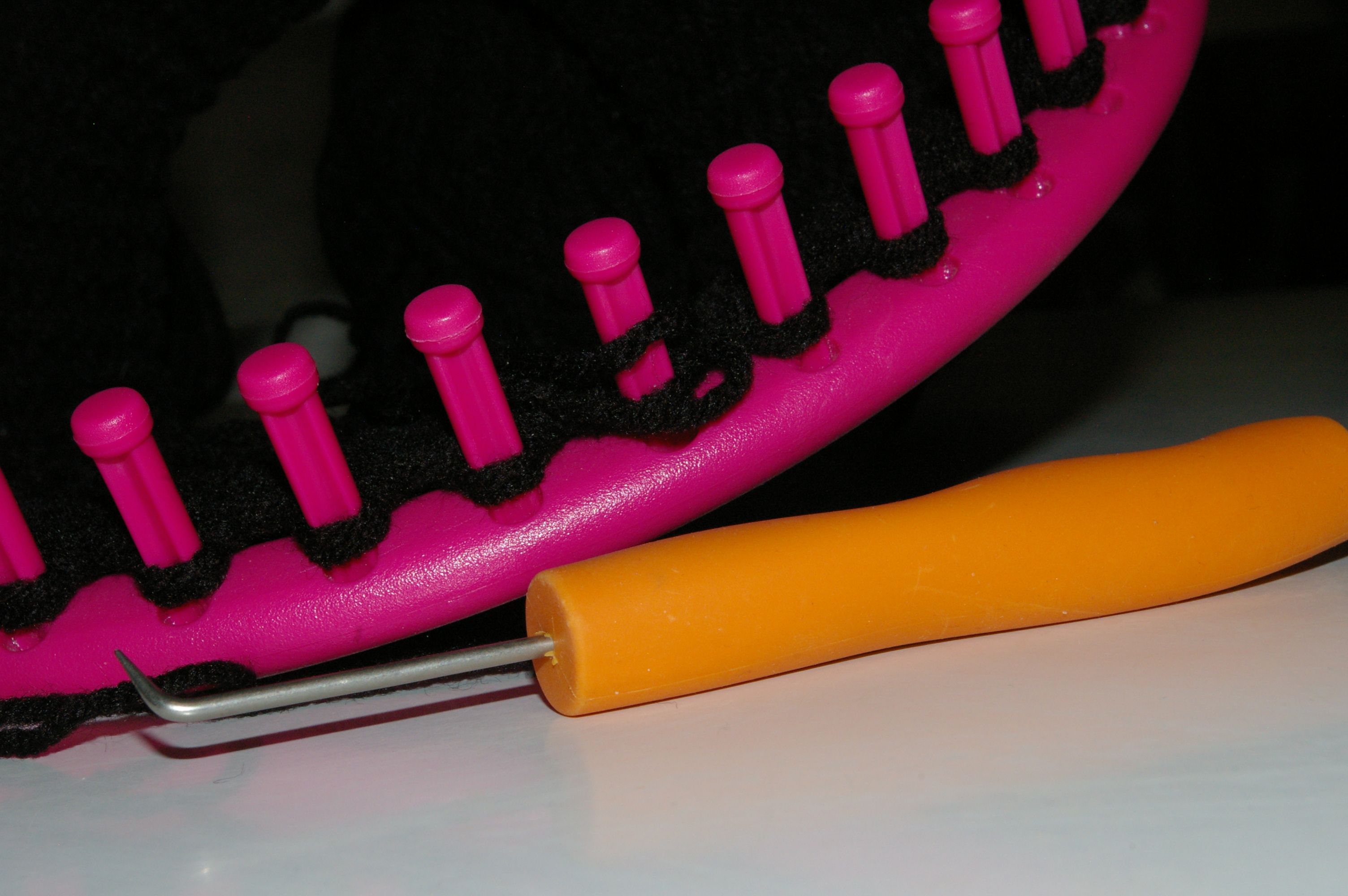
So what did I do this week? I pulled out my circle loom, which held an unfinished hat and continued working on it. There’s something mindless and meditative about looping the yarn over the pegs again and again.

I walked. Despite the cold, I walked at least a mile a day. One day I walked three miles and spent the day afterward online buying a new pair of sneakers. Ouch.

And one night at the end of the week, I turned the lights off to go to sleep and ideas for the sequel tapped me on the shoulder. I groaned and turned the lights back on to write notes, and then settled back under the covers.

There’s still production work to be done, and a cover to approve, and the legal details to read through. But yes, writing again.

Has anyone taken a break from writing, and was it beneficial? What did you do during that time?


Are You Backed Up?

ID-100207334

*


A funny thing happened late Friday night. I was typing away on my computer, my bare feet resting on the bottom shelf of the computer cabinet when I put my feet on the carpet.

Water squelched between my toes.

Subscribe via Email

Enter your email address to subscribe to this blog and receive notifications of new posts by email.

Archives
Recent Posts