Writers and Practicing

  • August 31, 2015
  • Blog
  • 2 Comments

1

Everyone knows that musicians and dancers devote years to practicing their art before performing professionally. And professionals continue to practice and grow in their art even after they’ve “made it.”

Why are writers considered different? Is it because we all learn to read and write in school and everyone can do it? Do we devalue the art of writing as a result?

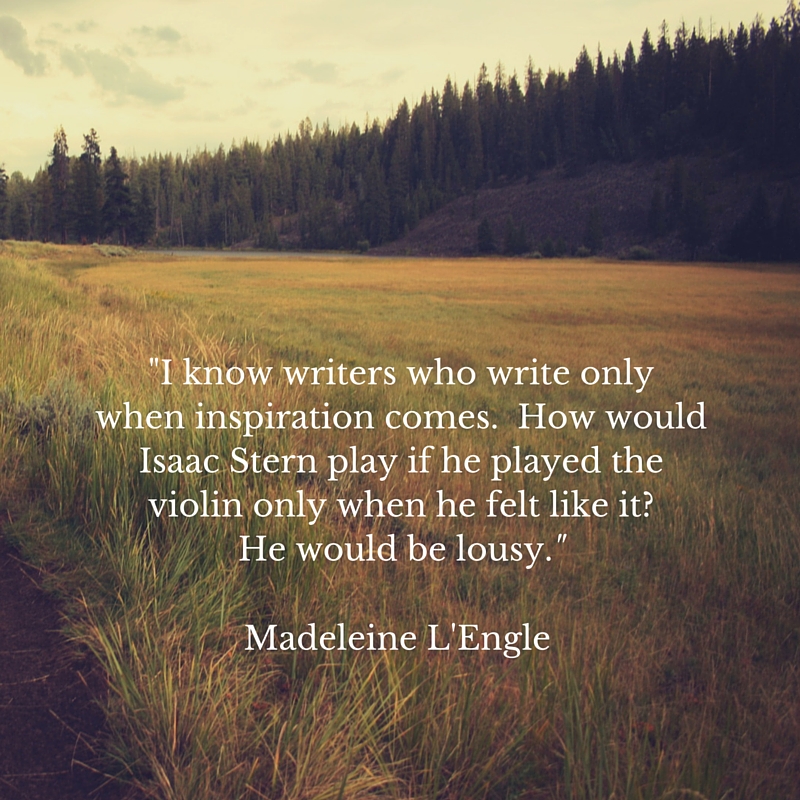
Whether people do or not, it does not absolve us from the work. Practice, practice, practice! Because Ms. L’Engle is correct. If we don’t practice, we’ll be lousy writers.

Each time I put pen to paper (or fingers on keyboard), there’s a certain amount of practice involved. Not every story idea works. Sometimes a character doesn’t fit. Rather than force it, I’ll stop and try it again. Or make something different out of it. Or admit that despite my best efforts, it’s not working and I should start over.

I’ll be honest. It’s not possible for me to write every day. But if I go too long without trying, when I do start again, my efforts are stale. Repetitive. Unimaginative.

That’s when it’s important to continue. To put in the time. And it gets better, the warm-up that leads to a smooth passage or transition that makes a story work. But without the practice (which is often garbage writing that deserves to be trashed), the good stuff wouldn’t be there.

Practice! It’s the mark of a professional.


Writing and Cameras

When I began writing a blog, I understood the benefit of using photographs. The fear of using someone’s work without permission drove me to find stock photos that allow free use as long as I attribute the work to the photographer, which I’m happy to do.

But there are times I want to create something of my own. As a result, some of the photos at my website are mine, taken while hiking or on vacation. I’ve even discovered that my photos inspire me to write. (Always a plus!)

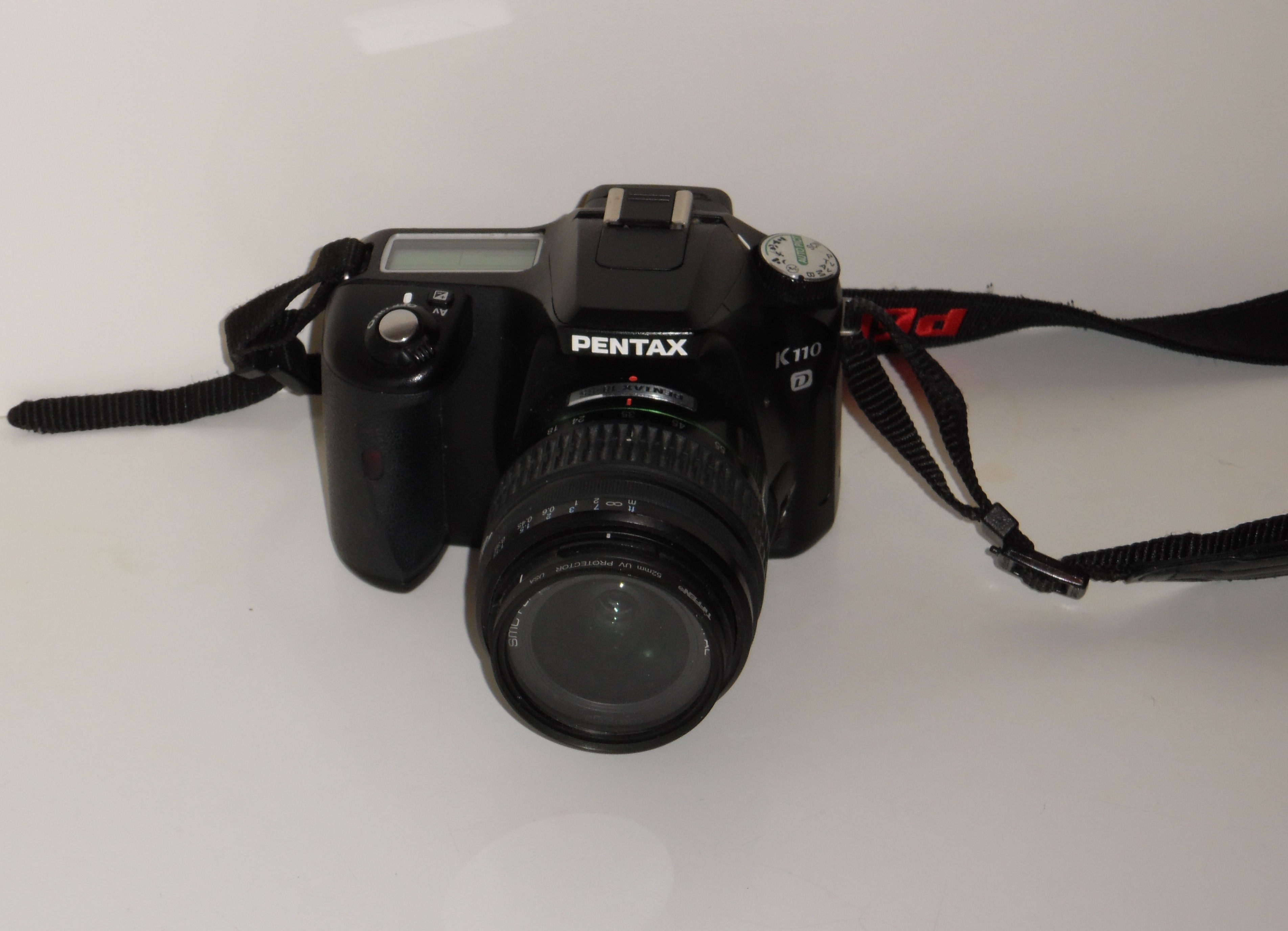
I’m still a newbie, though. I use my Pentax digital SLR with its most basic settings and bemoan my inability to take night shots or indoor pictures without flash.


SAM_0045 - Version 2


I don’t have Photoshop, although I do have Gimp sitting unused on my computer. The one time I tried to use it I had turned a photograph into a frightening mess of yellows and browns.

Two drawbacks to a DSLR camera are its bulk and weight. It’s not something I can just slip into a pocket. It’s always a conscious effort to pack it, and the longer the day goes, the heavier it feels.

Point-and shoot-cameras have evolved to being light and compact, and most even offer zoom capacity. I also eyed the latest version of Apple’s iTouch. My old one held music comfortably but didn’t include a camera, and I knew Apple’s iPhone took good photos.

But I wanted something that didn’t multitask. Right or wrong, I feel that multitaskers end up sacrificing functions that standalones would have. So my decision was to go with a point-and-shoot camera. That would be easy to buy, right?


ID-100131602*

Okay, okay. How was I to know how much the market had changed since the old Instamatics? My DSLR was the only camera I paid attention to. Thanks to a good friend (thanks, Jeff!), I was brought up to (basic) speed and made a list of what I needed.

  1. A budget of $200 (but preferably less).
  2. Good picture quality, including night photos.
  3. Zoom capacity.
  4. Wifi and video were not important.

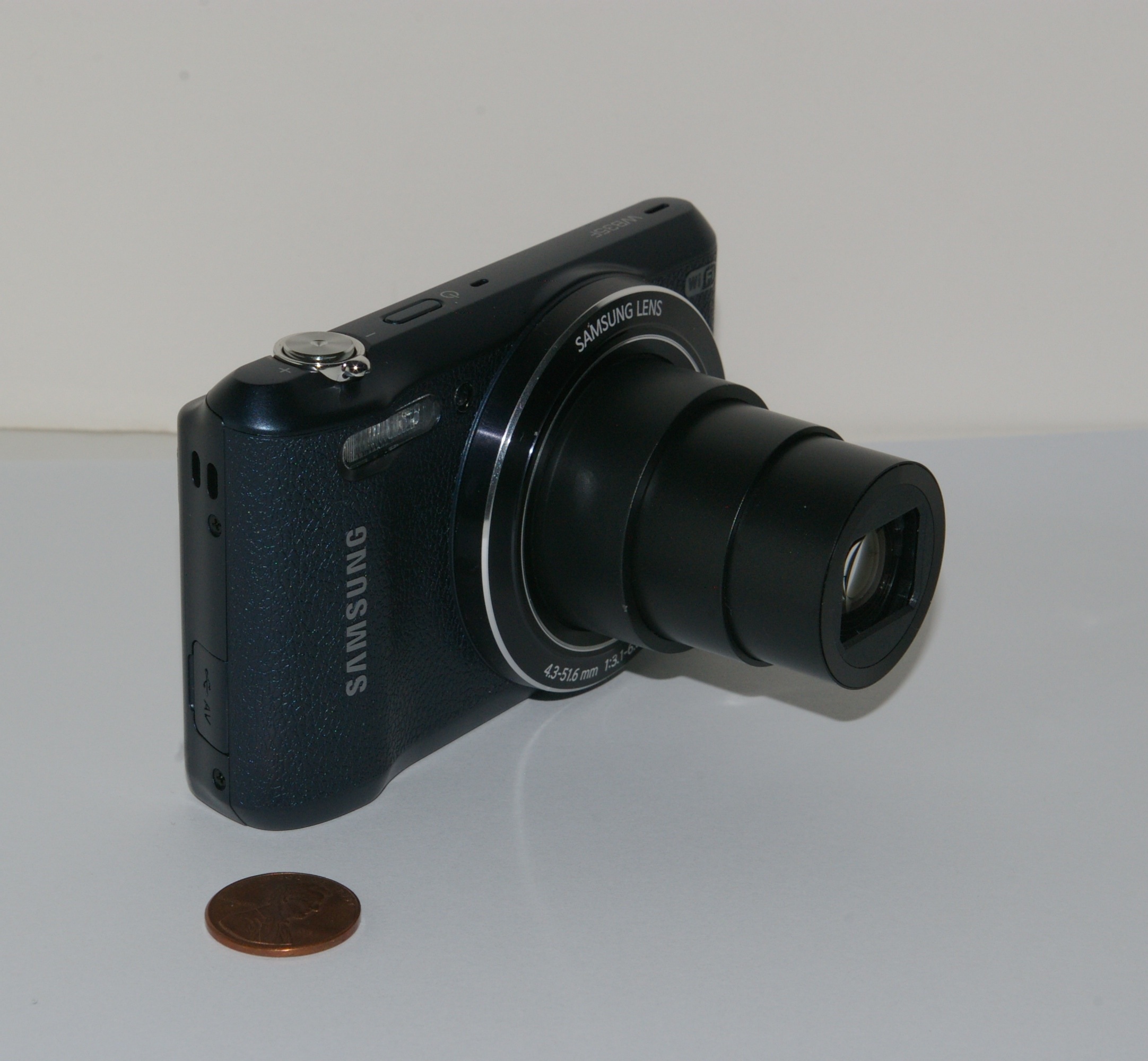
I finally decided on the Samsung WB35F Smart Digital Camera ($109 at bandh.com). Here, I used a penny for scale:


IMGP8965


Of course, there are added costs. A mini SD card and spare battery added to the total but still kept everything significantly lower than my top price.

I’ve barely tested it out but so far have been pleased. And now the camera will go with me everywhere unless I feel the DSLR would work better.

Duck everybody, I’m armed!


Note: The photos of each camera were taken in Auto setting and cropped. Like I said, still a newbie. 🙂

* Image courtesy of Photokanok at FreeDigitalPhotos.net


Writing All Over Again

IMGP8771


Do not go where the path may lead, go instead

where there is no path and leave a trail.    

–Ralph Waldo Emerson


There’s no one road to writing a story. No matter how many books an author writes, each time is still the first time. The only time. The beginning of a new journey.

That’s what’s so scary about this profession. Each time a book (or short story or poem or any other form) is finished, ultimately it comes down to this:


ID-10023307

*

A blank page is once again staring me in the face.

And I’m supposed to fill it.

It doesn’t matter that I wrote 300-plus pages of a novel that’s waiting in the wings to launch. That was the past. This is now.

There are plenty of ways to avoid it. More research perhaps, or chores to do. Days and weeks of not thinking about it. That blank page hovers, but with enough effort it can be relegated to the very back of my mind. Because what if when I sit down to try my hand at it again, nothing happens? What if that page remains blank?

It’s possible. But if I don’t try, it will be inevitable. Right now there’s a wisp of a story idea floating around and if I want it to become solid, there’s only one way to make it happen. I need to start again.

So I’m going to stare that page down and fill it. And then the next page and the page after that. It’s scary and exhilarating. It’s writing. It’s work and joy and terror. Is there anything better?


* Image courtesy of nuttakit at FreeDigitalPhotos.net


What Do Your Books Say About You?

IMGP8952

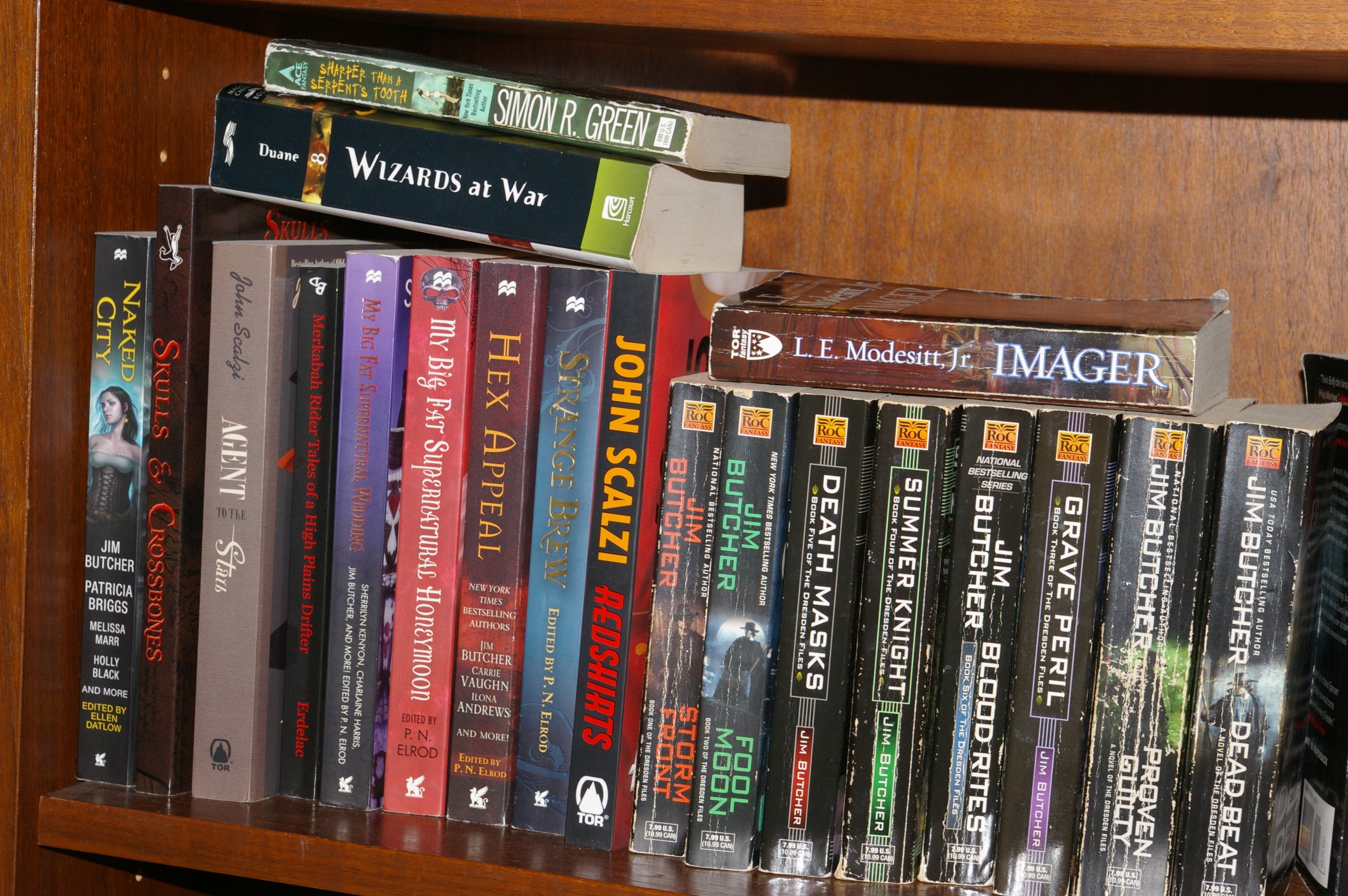
I once had a bunch of writer friends come for lunch and the first thing they did was swarm all over the bookcase in my living room. It was 6 feet tall, 3 1/2 feet wide and stuffed with books.

As they roamed the shelves, pulling out books and pointing to titles, I was completely unprepared to feel as naked as I did. I’d no idea how much my books showed who I was.

These days my bookcases are all in one space (not the living room), and I looked them over before sitting down to write this, wondering what they said about me now.

IMGP8863

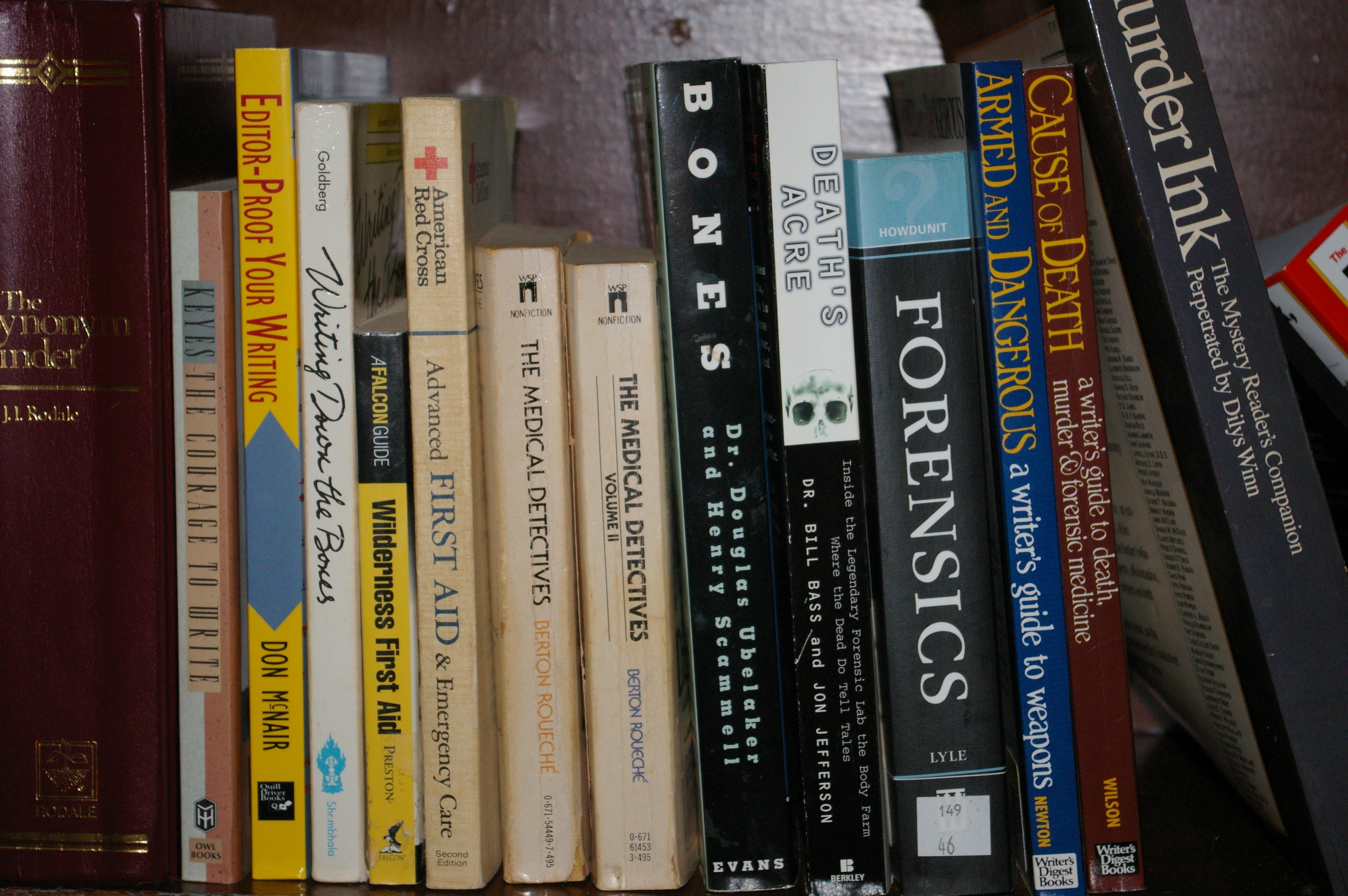
Some definitely speak of the past—the time I spent trying to write a thriller, for example. I kept the books on weapons and poisons and autopsy tales because I still enjoy dipping into them from time to time. (I remember being amused as I read one of those books while sitting on the train at rush hour. The train was packed with people but no one stood in front of me.)

Some are a mix of past and present. I love to reread books so there are many treasured favorites even while I’m always on the hunt for new ones. I have shelves stuffed with westerns, mysteries, scifi/fantasy, cookbooks, craft books, and a host of others. Each book, each category, adds another facet that reveals who I am.

And I wonder if, aesthetics aside, that’s another reason why my books are tucked away in a space people rarely get to see. Is it the reason house design magazines rarely, if ever, display books? Are they afraid they might inadvertently bare something personal about themselves or the home they’re showcasing?

I used to look at home decorating magazines and feel frustration. Where were the books? Where did they fit inside that beautiful décor? Aren’t books beautiful? Don’t they inspire interest and communication?

Maybe it’s time to show them off. A little at a time, just as we show different faces of ourselves to the world in different situations. Maybe I should leave a book or two in the living room—not just the coffee table book, but my battered paperback copies.

What do your books say about you?


Maybe a Writing Retreat Isn’t For Me

IMGP8768


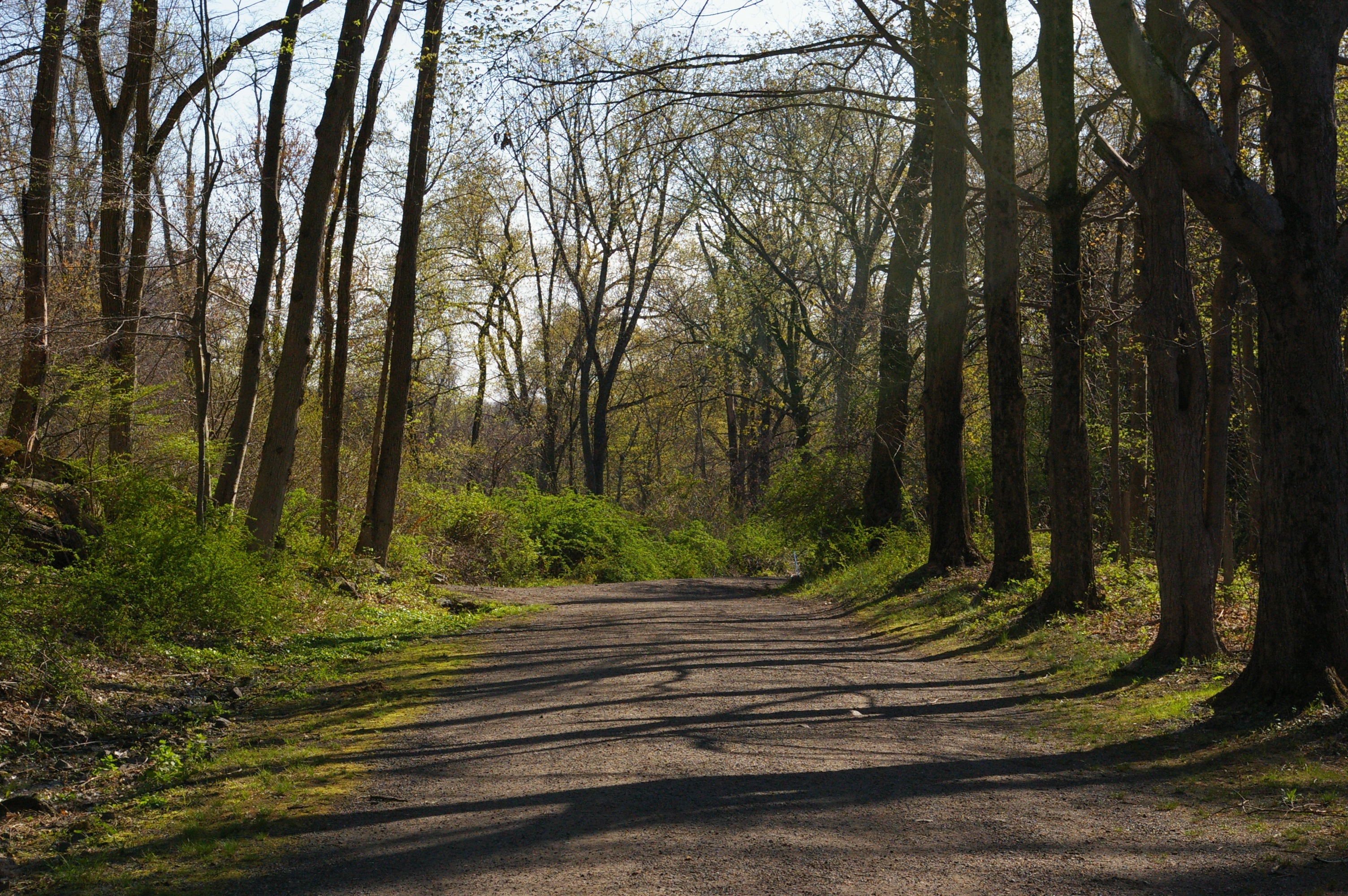
I stayed at a friend’s house this weekend, watching her dog and cats. It was a lovely, secluded area (by NYC standards) and I thought it would be a nice, quiet place to do some writing.

Except I kept hearing strange creaking sounds, different from my house. And the occasional car would break the dead silence and startle me as the headlights flashed in the night. And my friend’s laptop keys felt different to my fingers. (I know, that sounds weird.)

U2 or Write?

I went to a U2 concert at Madison Square Garden Sunday night and I admit it–there was no thought of writing at all. Oh well.

See everyone next week!

Autographs and Author Safety

ID-10056414

*


I was at an online forum one night in which an enthusiastic fan boasted that he got [insert popular athlete]’s autograph by taking a photo of his credit card receipt after the athlete made a purchase at the store where he worked.

Then he posted it so we could see (minus the credit card information).

I looked at the neat and precise script and saw red. I immediately commented, telling the fan to take down the photo, explaining that the signature one uses for their private business is NOT the same as the one used for autographs.

Other people in the forum chimed in and the photograph was removed. I’m sure posting it was done in innocence. The impression I got was of a younger, excited fan and I hope he wasn’t too crushed at his reception as well as thanking his lucky stars no one ever found out and fired him.

And now, on the verge of releasing my novel into the wild, I’ve been thinking about this and my signature. This seems as good a place as any to ask:

Do you change your signature when book signing?

How do you decide what makes your author scrawl yours while keeping safe from identity theft?

There’s still a sense of “am I really going to be asked for my autograph?” cringing but still, it’s better to be prepared than not.


Image courtesy of digitalart at FreeDigitalPhotos.net


The Saga of a New Writing Chair

IMGP8811


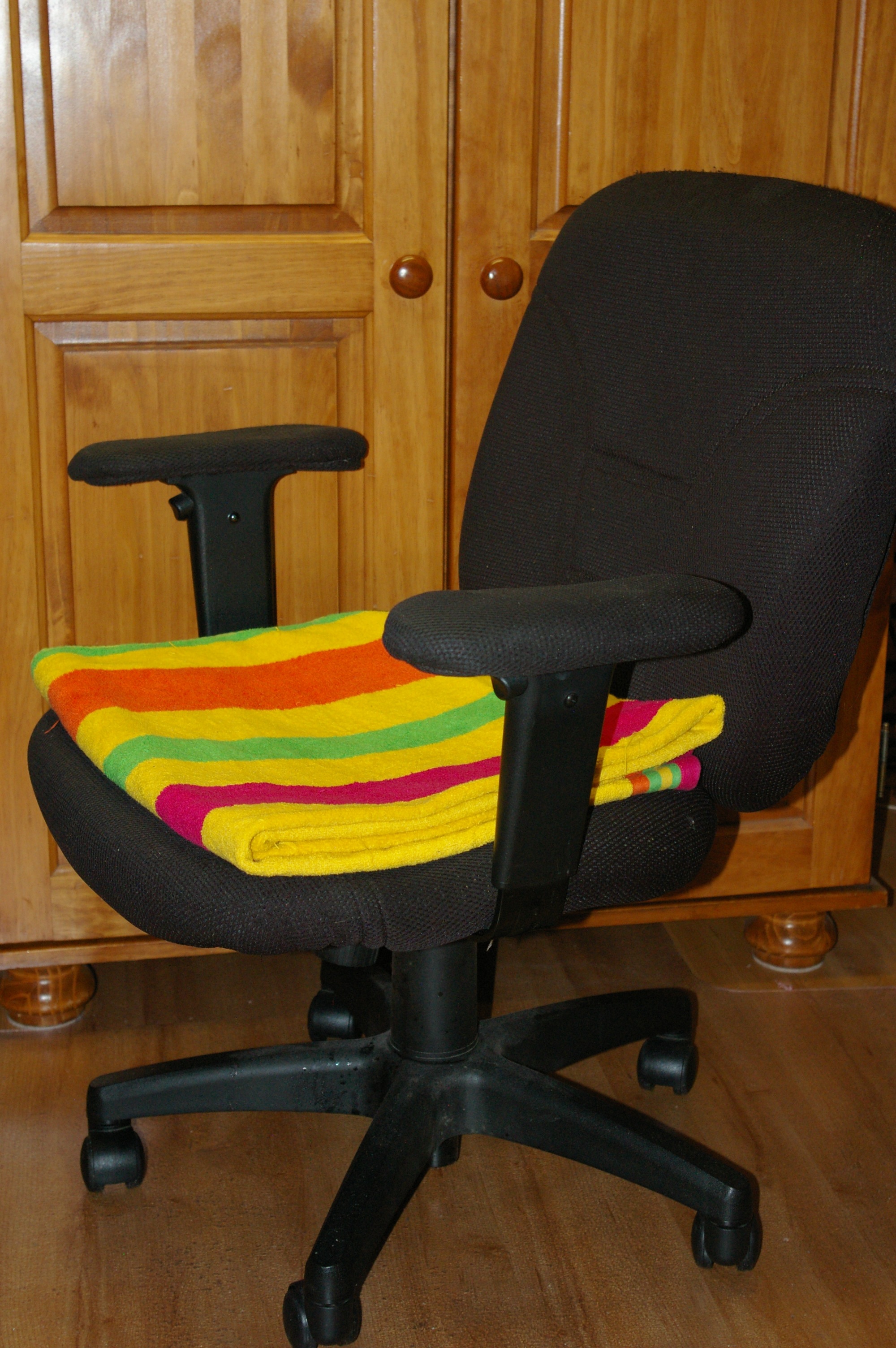
My computer chair has been everything I could ask for, but I recognize that it’s time for a new one. I just didn’t think it would be so hard. My current chair was a present from my mom and I remember us laughing as she read the directions and I slowly put it together. We were so proud of ourselves when it was completed and then laughed again when we noted that my dad would have put it together in about five minutes.

It took time to find this chair. I don’t like leather and it was hard to find a chair that wasn’t (fake leather wasn’t much in use at that time). So I bought a fabric-covered chair in navy blue with a short back and roomy seat. One of my brothers dropped in one day, saw the chair and said “Mine.” Never mind sitting on the couch or rocking chair!

But…eventually the padding wore down, in both the seat and the arms. Using a pillow changed how the chair’s back aligned with mine. So I went shopping.

I found what I thought was a perfect replacement: Fake black leather, cushy but firm enough not to get sleepy in. It was delivered yesterday and I had paid extra for the store to assemble it.

It was returned that same afternoon. Someone had assembled it incorrectly so that it didn’t tilt back. I spent hours trying to figure out what was wrong, followed by numerous phone calls to the store. They suggested bringing it back to fix but I knew I was done with it. Why hadn’t I noticed that the back was so high? Or the seat so much more narrow than my battered darling? Where was the love as I placed it in front of the computer?

So I’m taking a step back before searching again. I know I need a new chair. I just hadn’t realized how attached I was to this one. Silly, isn’t it?


My Dad and Writing

ID-100276193

*


Yesterday in the US was Father’s Day. My dad is gone (as is my mom) but both supported my efforts to write while I had a full-time job. For common sense, they couldn’t be beat. So I’m going to share my dad’s wisdom on writing that I’ve used as a yardstick ever since.

I had read a writing magazine that extolled the virtues of one type of writing. It’s formulaic! It makes money!

By the end of the issue, I was convinced to write a book in that genre for some quick and easy cash. I typed one paragraph and cringed. I couldn’t write another word but I was so disappointed in myself.

I went to the living room where my dad watched TV and told him what I’d tried to do. He said words that are engraved on my heart:

“You start out writing garbage, you end up writing garbage.”

What he meant, of course, is not that that unnamed genre was garbage—just that it wasn’t right for me. And to write solely for the money and not with any part of my heart was simply wrong.

He didn’t make me feel like a failure because I couldn’t do it.

Thanks dad. Miss you still.


Image courtesy of sattva at FreeDigitalPhotos.net


Choosing a Title? Avoid These Two Crucial Mistakes

ID-10073138

*


I knew someone online who wrote her first novel and did a lot of good things to publicize it. She mentioned it in forums where she was known and created a website and live-action trailer to promote it. I was impressed with the care and effort she took.

But I cringed when I saw her title. Was it horrifying or disgusting? No. But she never ran a search before choosing it. There were 44 books with the same title already in existence. Within a week, a search of her title showed her buried on page three at Amazon.

Ouch.

Titles are not copyrightable. There’s no way to stop someone from using one that’s been used before. If you absolutely, positively have your heart set on a specific title you still need to run that search. If there are too many in print, rethink it. Play around with the words, dig out The Synonym Finder, and focus on your theme. While it’s best for a title to be unique, if there are only a few other books that use it, it’s fine as long as you remain on the first page.

The second problem with her title (and no, I’m not telling the name of the book) was that I couldn’t see any connection to the somewhat lengthy synopsis I read. The title and cover art matched but all three needed to be in sync. Short of reading the book, I had no clue why she chose that title.

What upset me was how simple these two mistakes were and how much they cost her. Being an indie author is hard enough without shooting ourselves in the foot.

To recap:

  1. Make your title relevant to the story.
  1. Run an online search to find out if others have used it for their book.
  1. If there are so many that your book might end up on page two or worse, change it.

I didn’t come up with a title for my novel until it was almost completed. And I ended up changing it to something totally different by the time I began working with a cover artist. (This is the sanitized version, omitting the screams of frustration and foot stomping.) I liked my first title but my writers’ group gave me valuable feedback and I realized that I needed to give my novel its best shot.

Doesn’t yours deserve the same?


* Image courtesy of adamr at FreeDigitalPhotos.net


Subscribe via Email

Enter your email address to subscribe to this blog and receive notifications of new posts by email.

Archives
Recent Posts