Using Objects—A Writer’s Eye

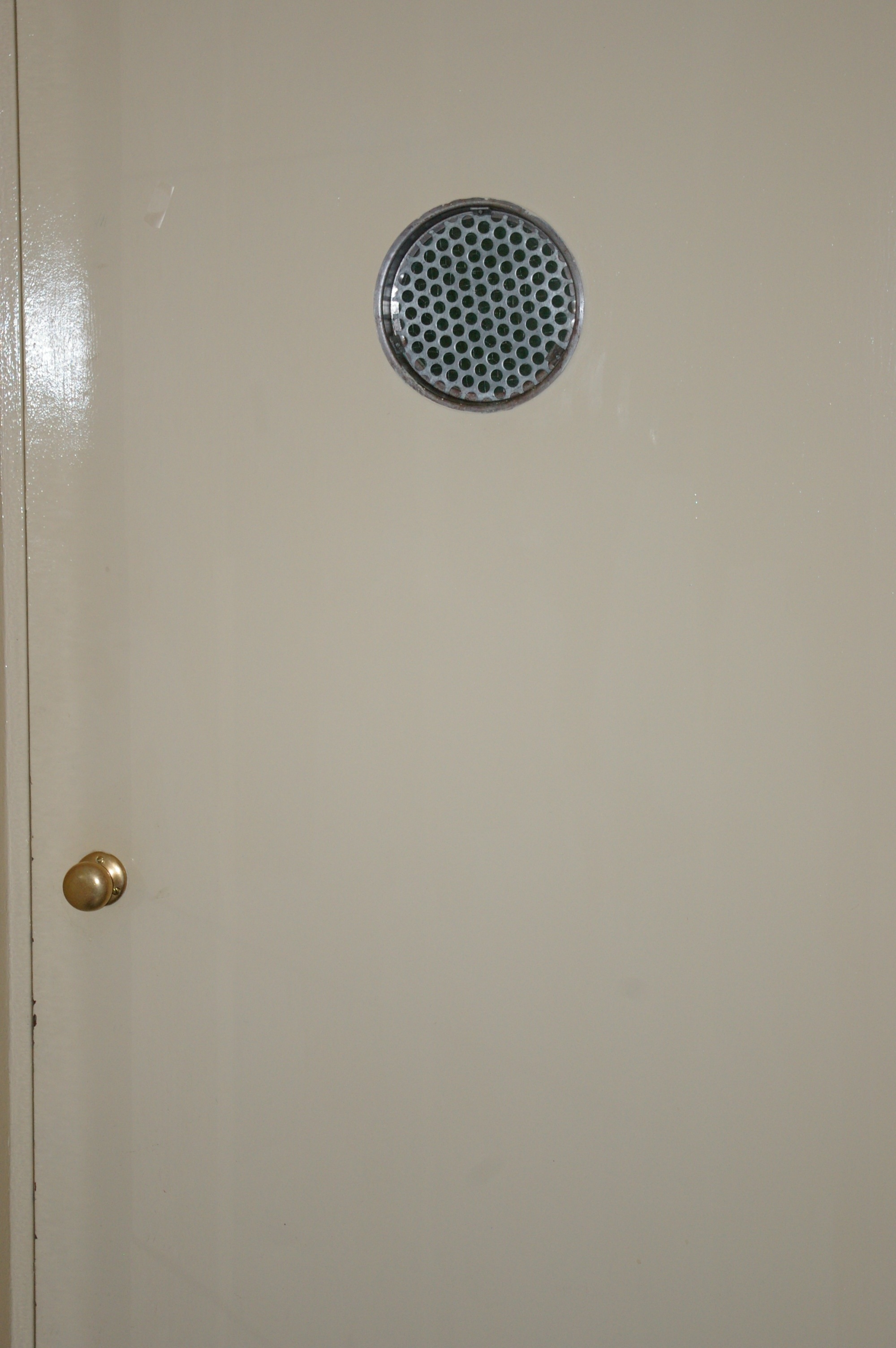
Does everyone recognize what this door leads to?
 

IMGP8785


It’s an elevator. I never gave it much thought until a friend told me she had never seen one of these in real life. It made me take a closer look.

True, new elevators don’t have doorknobs. Or little windows so I can see when it’s coming to my floor. When it stops, I can see inside the elevator car. That’s my cue to grab the doorknob and open the door. (Don’t worry, there’s a safety lock—if the elevator isn’t there, the outer door won’t open.)

But to me, it’s just an elevator. It never occurred to me that there are people in this city who never saw one like this or would be excited to know it exists.

Suddenly, it wasn’t just an elevator anymore. It had possibilities. My fingers twitched even though no solid plot evolved. I know that when I sit down to write about this amazing, magical elevator, the story will come.

Everyone has something right in front of them that they’re not seeing. Take a look around your house. Your street. Look at the buildings, the transportation available, the stores. It’s all magical. You can do a lot with gravel in the driveway.

But what if you don’t write fantasy?

An elevator like this one would be a nice little detail to slip into a description. It offers many meanings as well. Either you’re writing a period piece or your character entered into an old building. Or something else you might think of. You can use it to add depth to the surroundings and then move on.

These are the details that will help make your stories authentic, even in fantasy.
The Dreaded Word Count

ID-100271132

*


Once upon a time, novels were a neat, slim 60k words. To nonwriters, that’s about 240 pages (250 words/page, double spaced, although I’ve read books that were shorter). I could see myself writing something that size.

Then the years rolled by and I discovered that the word count for fiction went up to 80k. Okay, I could adjust. I continued writing my novel, trying not to panic at how far the horizon was stretching. I could do this.

And then I thought to check what the average word count was for my genre. And my heart dropped right into my stomach and stayed there. Apparently, the average word count for urban fantasy is 90k. I stared at the screen in horror.

Needless to say, I made the 90k. Is it a better story for being longer? Perhaps. It caused me to slow down and flesh out the people and events. But I worked hard to make sure any filler was cut from the story, trimming the fat, as it were.

But when did this happen? Why did this happen? And where did this rule for how many words needed to be in a story come from?

I’d love to know.


* Image courtesy of Stuart Miles at FreeDigitalPhotos.net


New Story

IMGP6972

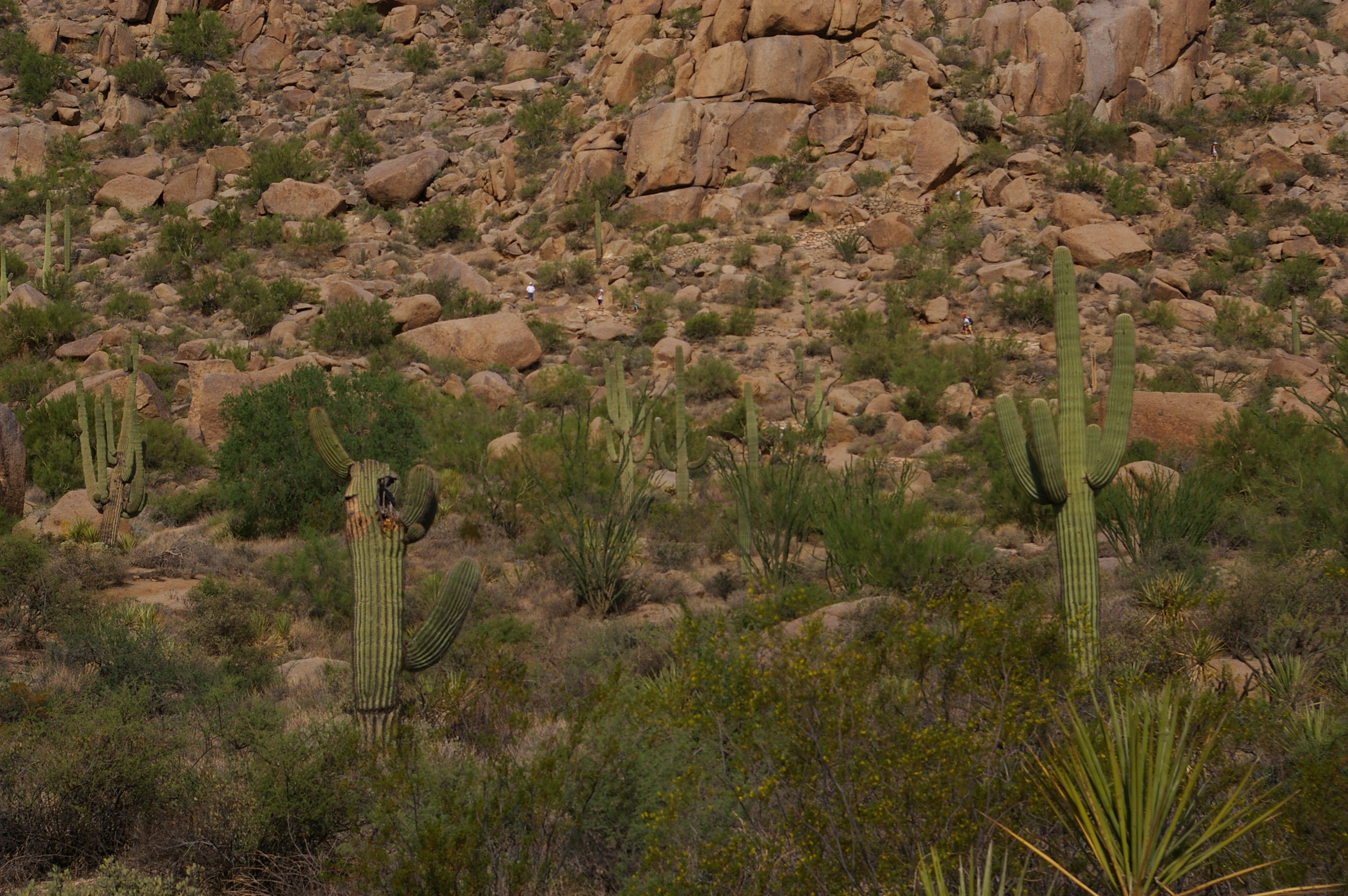
I wrote a blog about going on vacation and not writing. The short story that came out of that vacation was written after I got home. I could still feel the dry, hot, desert air on my skin and the words tumbled onto the page in a flurry of typing.

The Town of Witch’s Rock is for those who enjoy urban fantasy and slow, hazy summer days.

My Mom and Writing

ID-10032887

*

In the US, it was Mother’s Day yesterday. My mom is gone now but she (along with my dad) supported my writing efforts. So I’m going to share a “mom and writing” moment here.

It was a short story that had turned into the thriller-that-wasn’t. But I allowed my mom to read the first chapter. She had a puzzled look on her face. “It doesn’t end?”

I smiled. “No, it’s the setup for the rest of the story.”

“No,” she said, holding out the last page. “It doesn’t end.”

I took the page from her with a little impatience, ready to defend my darling, when I saw she was right—somehow, I had omitted the last paragraph.

“Oops,” I said.

She forgave me.

After she read the rest, I asked, “What did you think?”

“Well, it needs more sex,” she replied.

Mom, I miss you lots.

* Image courtesy of scottchan at FreeDigitalPhotos.net

Spring, Home Renovations, and Writing

IMGP0399

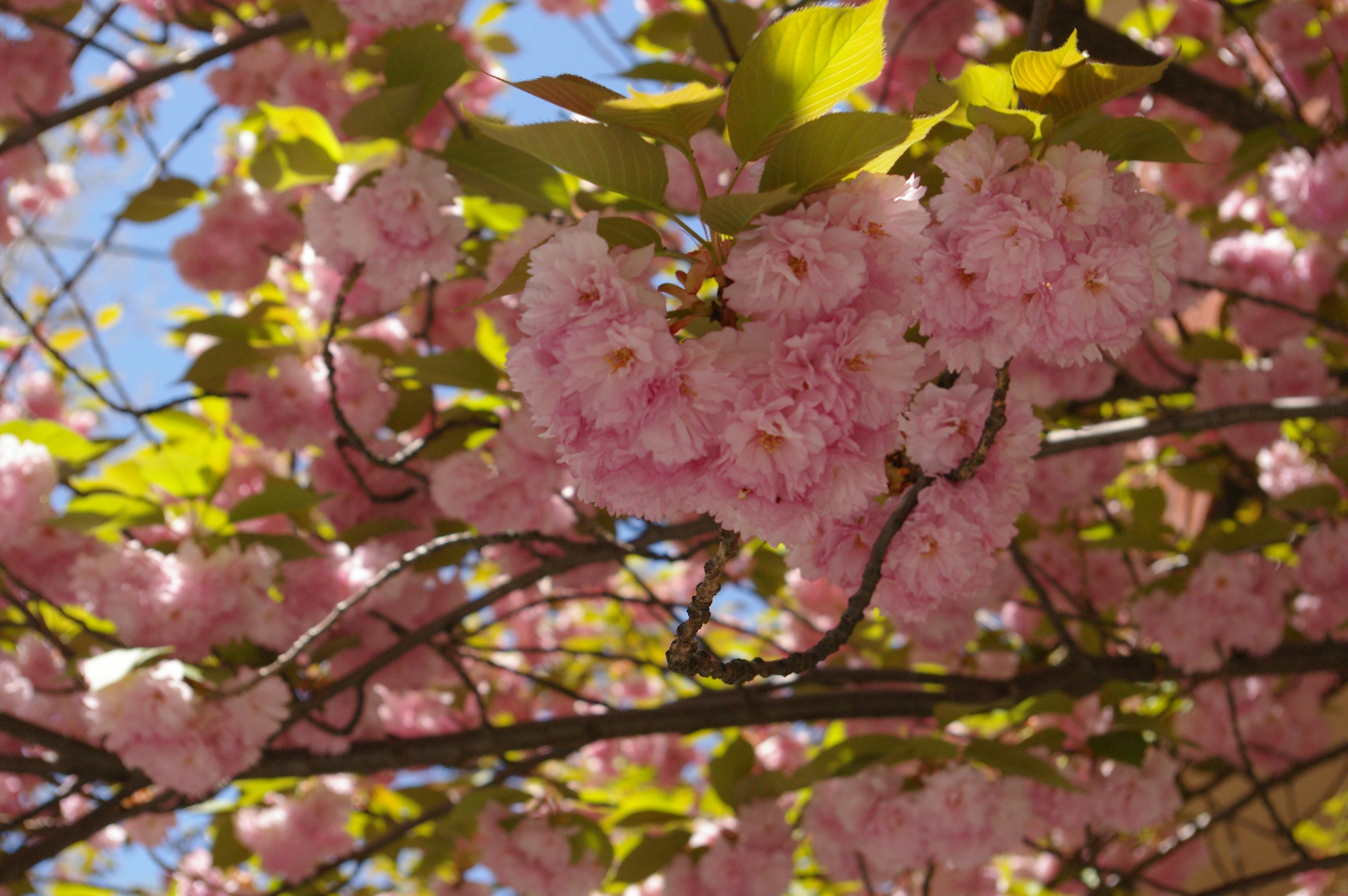
Spring came. Cool breezes with no real bite to them softened the air. Pale green buds on trees and blinding-bright yellow forsythia adorned the streets and neighboring yards.

The mating call of home renovations sounded, manifested by crowded lanes in every hardware and home decorating store, where people filled their shopping carts with cement and pored over paint chips. And this year, I heeded the call.

Does a Writer’s Background Matter?

ID-100148479

*


Yes.

Yes, if you’re going to write an autobiography and claim to jump out of planes, you’d better damn well be jumping out of those planes.

But what about writing fiction?

Yes.

Wait, did someone gasp, “I don’t know anything! I work in an office and come home to have dinner with my husband and dog and watch TV. I’m boring!”

Ridiculous. No, not the part about your day. The part where you say you’re boring.

Everyone has a story to tell. That’s the true stuff. When comforting a child who froze in front of the class, it helps to have a similar story of how it happened to you (or your sister) and how it got better.

What a fiction writer does is take that experience and say, “What if?”

What if, when remembering the story of how you got called to the front of the classroom as a kid and didn’t know the answer, a slug crawled through the window, expanded, and ate the teacher?

What if it happened in college, and as you stood there in misery, someone screamed down the hall that the despised administrator was found slumped over his desk with student IDs stuffed in his mouth?

What if you sat in your cubicle trying to read a mindless report and armloads of fake roses suddenly littered your area with a note asking you to have lunch with the cute guy you liked on the next floor?

What if the above examples were descriptions of the human offerings listed on a menu at a vampires restaurant, Flavors of the Night?

You’ve got stories. Some are true, some are complete figments of your imagination. But the main thing to remember is that you are unique. Your stories and thought processes are based on who you are. Go have fun.


* Image courtesy of Just2shutter at FreeDigitalPhotos.net


Meet Indie Poet Esther Lazarson

IMGP8750

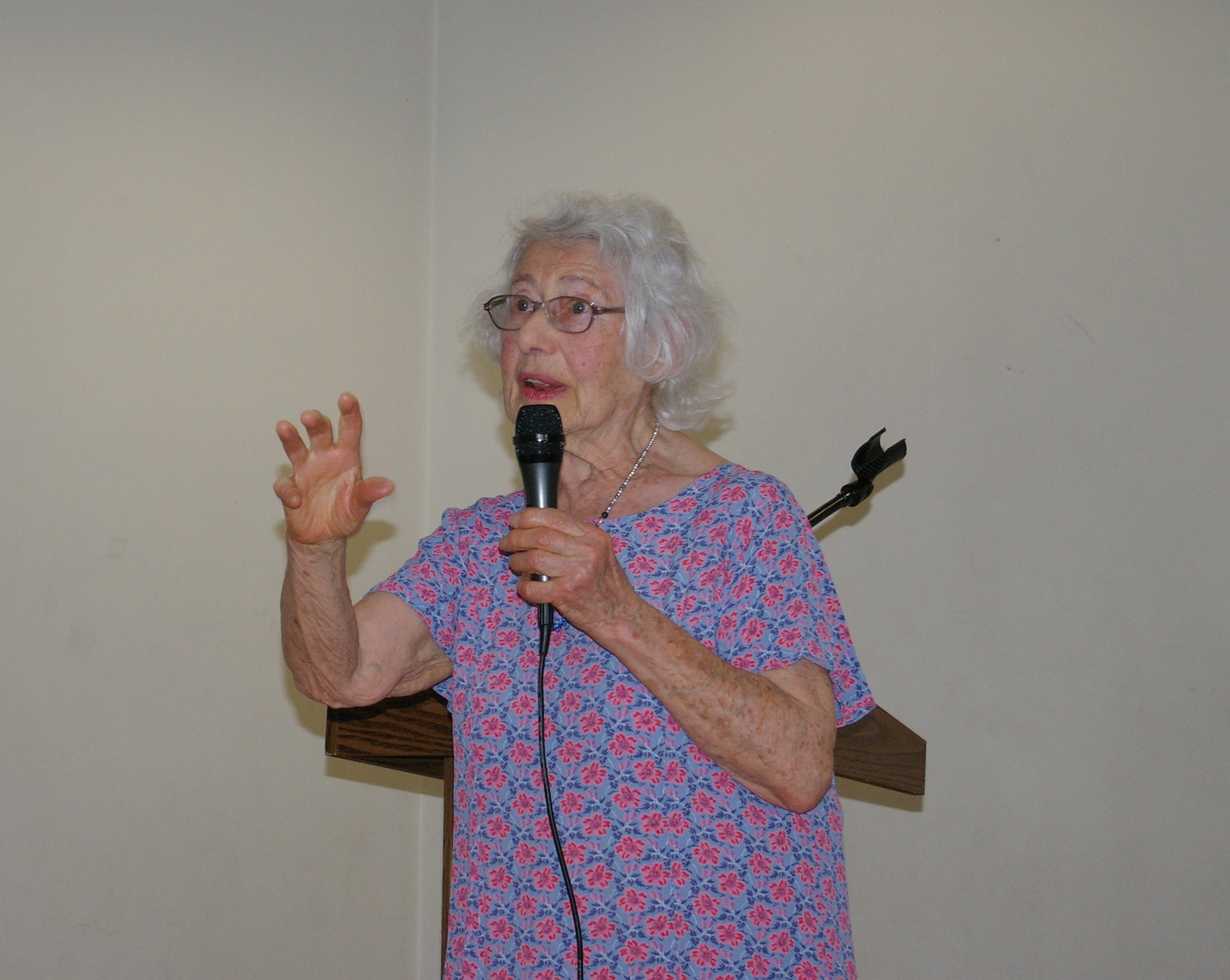
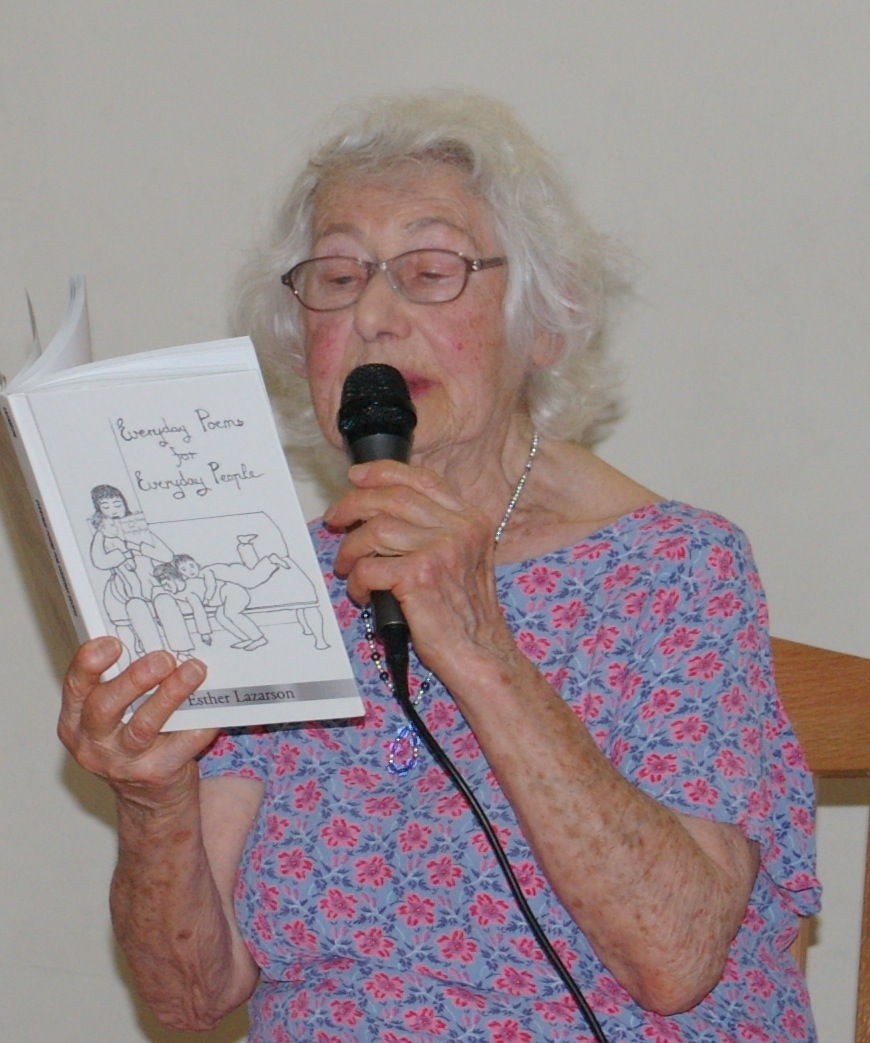
Self-published at 89 (yes, you’re reading that right), poet Esther Lazarson gave a reading this past weekend at the Bloomingdale branch of the New York Public Library. Now a sparkling 91, Esther read from her book Everyday Poems for Everyday People and included her latest works as well.

After she read the first poem, we applauded and she held up a hand. “Please don’t applaud, it wastes time!” We laughed but she was right—she had a wealth of material to read and it ranged from the funny to the poignant to the startling.

IMGP8753

A friend was with her to read when her voice grew hoarse but time and again Esther took the sheaf of pages back to read, usually with a comment that made me laugh. “Oh, that’s one of my favorites.” Or “I like that one!” Her glee could turn serious in a blink as she read a poem that made us remain silent at the message.

One poem I enjoyed, titled “Birthday A and Birthday B,” was, sadly, not in her current book. Afterward, I approached and told her she needed to write a second book. She waved a hand and said, “I don’t know, it’s such a lot of work!” I repeated that conversation to one of the librarians there and she winked and said, “She’ll write another.”

You can find Esther’s book at Amazon at http://amzn.to/1OZHssg and if you enjoy it, please do leave a review. I just bought my copy and will be doing that soon.


Does Your Writing Make a Difference?

  • April 13, 2015
  • Blog
  • 2 Comments

ID-100271144

*

Yep.

That’s the good news.

The bad? You may never know it.

I know of someone who’s a trauma nurse. Reading romance novels helps her keep sane and centered at her job. That’s pretty important stuff.

A friend was stranded far from home in a crappy motel while a family member healed from an accident. Books were her lifeline. They helped pass the time and made things bearable.

Cover Reveal!

I’m absolutely thrilled to unveil the cover for my forthcoming book Magical Ties by cover designer Freddy A. Polanco. Click on the picture below.

Frontcover

Freddy A. Polanco can be found on Twitter @Zone82Customs.


Are You Ready to Publish Indie? (Part 4)


IMGP8220


Bits and Pieces: Covers and ISBN Numbers


People will judge your book by its cover. Believe it. In my totally opinionated way, I’m going to say this: Don’t use a pre-made cover. If you don’t know enough about the art of creating one, hire someone to do it for you. I did. My experience (so far) can be found here.

As I mentioned in Part 3, it took me a while to realize that there was a difference between publishing an e-book and publishing a paperback. I assumed that Amazon used one service for both. Kindle and CreateSpace are not the same. CreateSpace is the service used for the paperback, and it’s the bits and pieces of the learning curve that have me wistful for the innocent days when I thought that writing the novel was the hard part.

It’s not difficult. Really. But it’s new, and the idea of making a mistake sent visions of error-filled pages swirling around in my head. Fortunately, there’s a solution. Have someone there to hold your hand while you read the instructions out loud. In my case, I was on the phone with a fellow writer who kept me calm while I kept muttering, “What does that mean?” as I filled in the information. While she didn’t know all the answers, it was a great comfort to know I wasn’t alone in the maze.

CreateSpace offers four ways of obtaining an ISBN number. It’s tempting to use the free version, and if funds are tight I can see people using that option. But it can be used only at Amazon and the imprint title that will be listed in the information section will say: CreateSpace Independent Publishing Platform.

Again, there’s nothing wrong with this. Just be aware that when someone sees this, it will be obvious that the book is an indie. And unfortunately, that might make a reader pause before deciding whether to buy or not.

I’m paying for the custom universal ISBN, which is the more expensive option. (Currently it’s listed as $99US.) This version will allow me to use the ISBN number with any publisher. I haven’t decided yet if I will go elsewhere as well but I want to keep my options open.

In fact, I was all set to order the ISBN number prior to completing this entry but got stopped short when I realized that I needed to come up with a distributor name. My “publisher,” so to speak. Oy. I finally decided on a name but felt pressured to do it in a hurry. Give yourself time to come up with something, and don’t forget to run a search online to make sure no one else is using it.

There are always bits and pieces that need attention when publishing indie but I think I’ve defined the important basics. So, are you ready to publish indie?


Subscribe via Email

Enter your email address to subscribe to this blog and receive notifications of new posts by email.

Archives
Recent Posts